Mosser Hobnail Glass
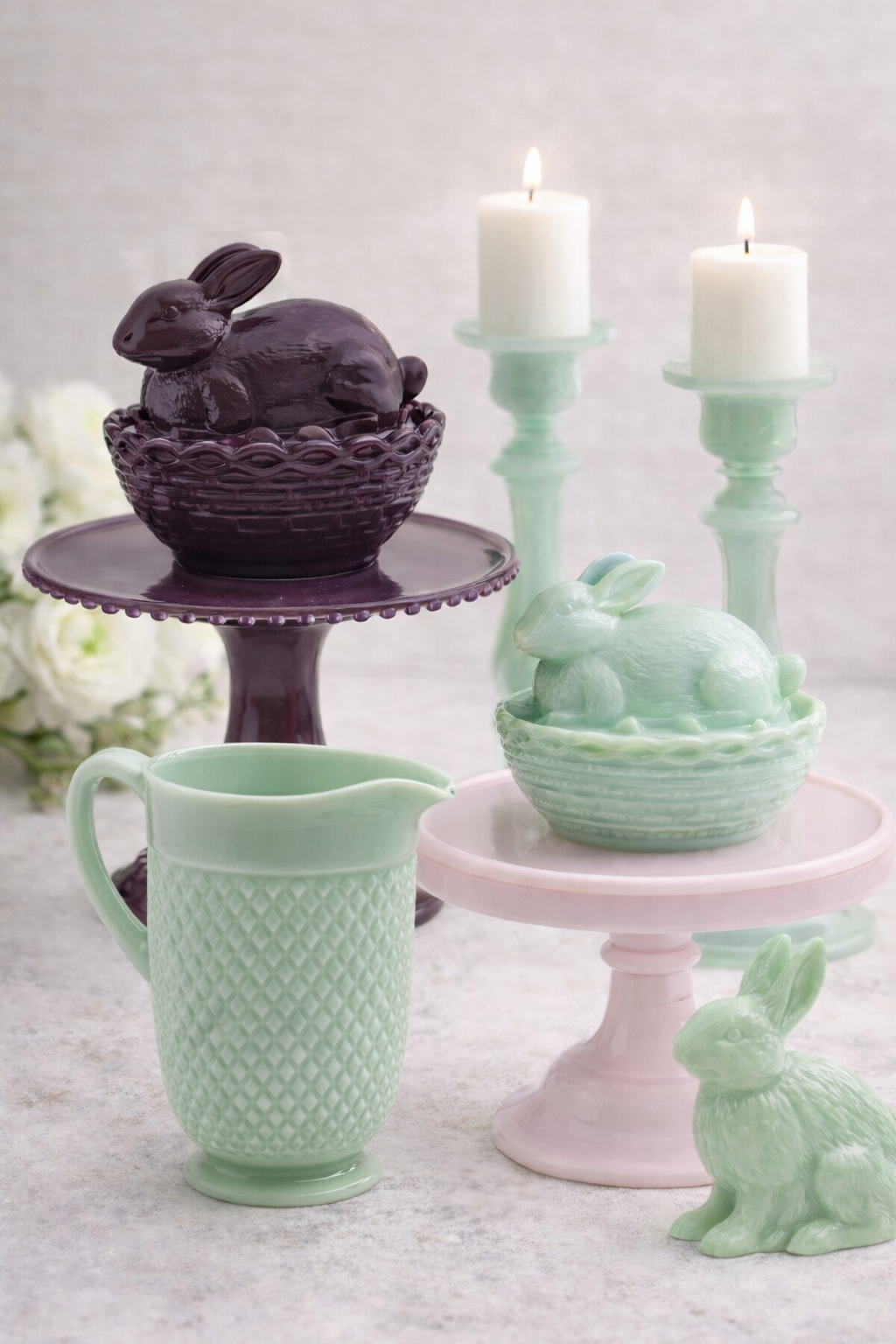
Mosser’s Use of Vintage Moulds
Mosser Glass has built part of its business by reviving and using older mould patterns, including some that were originally made decades ago by earlier American glass companies.
What “Old Moulds” Means
A mold is the metal form used to shape the glass — the more a mould is reused over time, the more wear it shows.
Mosser acquired or copied some classic pressed glass moulds from earlier makers.
In some cases, the moulds themselves are the original vintage molds or close re-casts of them.
So when you see a “vintage looking” hen from Mosser, it’s often because:
The mould shape comes from an older design.
Mosser uses those moulds to produce current production glass — not to re-issue pieces from the original era, but to recreate the look.
What This Means for Identification
Here’s the key:
Just because a piece matches an old mould shape doesn’t make it vintage.
Vintage
Old glass made decades ago (1930s–1970s).
Produced in the original era by original manufacturers (Indiana, Westmoreland, Fenton, etc.).
Characteristics: subtle irregularities, period glass color, possible mould wear patterns
from age.
Mosser Hobnail Pitchers
Mosser produces hobnail pitchers using original Fenton hobnail moulds (or moulds derived directly from them).
That means:
The shape and hobnail pattern originated with Fenton.
The glass being produced now is modern Mosser production.
They are not “vintage Fenton,” even though the mould lineage is Fenton.
How to Tell Vintage Fenton from Mosser Hobnail
🔹 Vintage Fenton Hobnail
Produced pre-2011
Often marked with Fenton oval logo (post-1970 pieces)
Glass tone slightly softer in many colors
Older milk glass tends to have a particular creamy cast
May show minor mold wear from decades of use
🔹 Mosser Hobnail (Modern)
Made after Fenton’s closure
Often brighter, more saturated colors
Extremely crisp hobnail definition
Very consistent polish and weight
May have Mosser labeling
The hobnail “bumps” themselves look nearly identical because the mold design is the same lineage. Mosser New Production (Even from Old Moulds)
Made now — not decades ago.
Even if the mould itself was an old one, the glass is modern.
Characteristics: very crisp detail, consistent color/glass quality, predictable finish.
Often marked with a Mosser label or signature somewhere.
So:
Same shape ≠ Same age.
How to Tell Them Apart
1. Mold Sharpness & Finish
Vintage moulds worn over decades leave softer detail.
Mosser mouds are either new copies or refurbished originals — detail is sharp.
2. Labels & Signatures
Modern Mosser pieces often include a paper label or molded mark.
Vintage rarely has Mosser marks.
3. Glass Color & Chemistry
Vintage glass often has slight variation in hue.
Modern glass tends to be brighter and more uniform.
4. Feel & Weight
Vintage pressed glass often feels lighter and a bit more delicate.
Modern production tends to feel heavier and more solid.
Visit the shop to see what’s we have newly curated from Mosser!