Roseville Pottery: Why Collectors Still Seek It Out Today
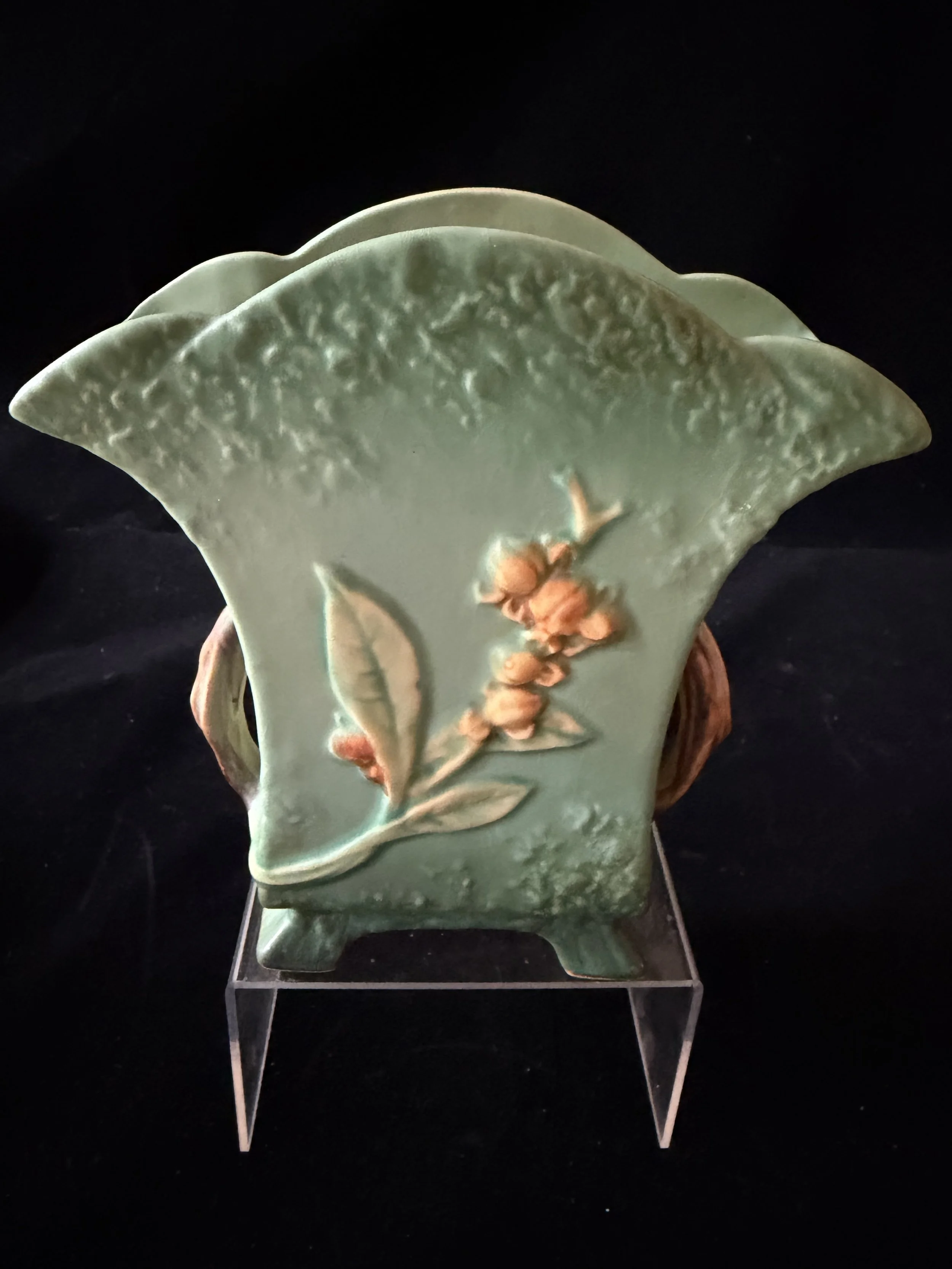
Roseville Pottery remains one of the most recognizable and collectible names in American art pottery. Produced in Ohio from the late 19th century through the mid-20th century, Roseville pieces continue to appeal to collectors for their sculptural forms, distinctive glazes, and wide range of decorative patterns.
Unlike mass-produced ceramics, Roseville was designed to be both functional and artistic. Each line reflected the design sensibilities of its time—from Arts & Crafts influences to later mid-century floral forms—making Roseville an accessible entry point for new collectors and a deep field for seasoned ones.
What Makes Roseville Pottery Special
Roseville’s appeal comes from a few key factors:
Raised decoration rather than painted surfaces
Matte and semi-matte glazes with soft color transitions
Distinct shape numbers, which identify specific forms and sizes
American production, with most pieces marked “Roseville U.S.A.”
Even within the same pattern, Roseville produced multiple shapes—vases, bowls, jardinieres, wall pockets—each with its own proportions and display presence.
Understanding Shape Numbers and Marks
One of the most important aspects of collecting Roseville is learning to read the base.
Most authentic pieces are marked with:
“Roseville U.S.A.”
A shape number (such as 874-7 or 285)
Occasionally a blue factory “X”, used during production
The shape number identifies the exact form, while the number after the dash typically indicates size. This system allows collectors to compare like with like—critical when assessing value.
Several of the Roseville items recently added to our collection are clearly signed and numbered, which is always preferable for collectors.
Pattern Matters—But Form Matters Too
Many buyers focus heavily on pattern names, but seasoned collectors know that form and condition often matter more than the pattern itself.
For example:
A Bittersweet vase in a desirable shape will outperform a common form, even if the pattern is well known.
Handled bowls and jardinieres with balanced proportions often appeal to both collectors and interior designers.
Pink, green, and soft neutral glazes remain especially popular for today’s interiors.
Some of the Roseville pieces we work with—such as numbered Bittersweet forms and pink floral bowls with raised decoration—are excellent examples of how Roseville blended decorative impact with usability.
Condition: What Collectors Actually Expect
True vintage Roseville is rarely “perfect,” and collectors understand that.
Normal and acceptable traits include:
Light crazing
Minor glaze variation from firing
Gentle base wear from age
What affects value significantly:
Chips on rims or applied flowers
Hairline cracks
Repairs or restorations
When evaluating or purchasing Roseville, transparency about condition is essential—and well-documented pieces always perform better on the secondary market.
Is Roseville Still a Good Buy?
Yes—especially when purchased thoughtfully.
Roseville is:
Easier to authenticate than many European ceramics
Still affordable compared to top-tier pottery lines
Highly displayable in both traditional and modern homes
Collectors continue to seek out signed, numbered examples in clean condition, particularly those with strong forms or less commonly seen shapes.
Final Thoughts
Roseville Pottery occupies a unique place in American decorative arts. It bridges craftsmanship, design history, and everyday beauty in a way few pottery lines do.
Whether you’re starting a collection or adding a carefully chosen piece—like a signed Bittersweet vase or a sculptural floral bowl—Roseville remains a smart, timeless choice.
If you’d like help identifying, valuing, or sourcing Roseville pottery, we’re always happy to assist.