Collecting Vintage Porcelain Thimbles:
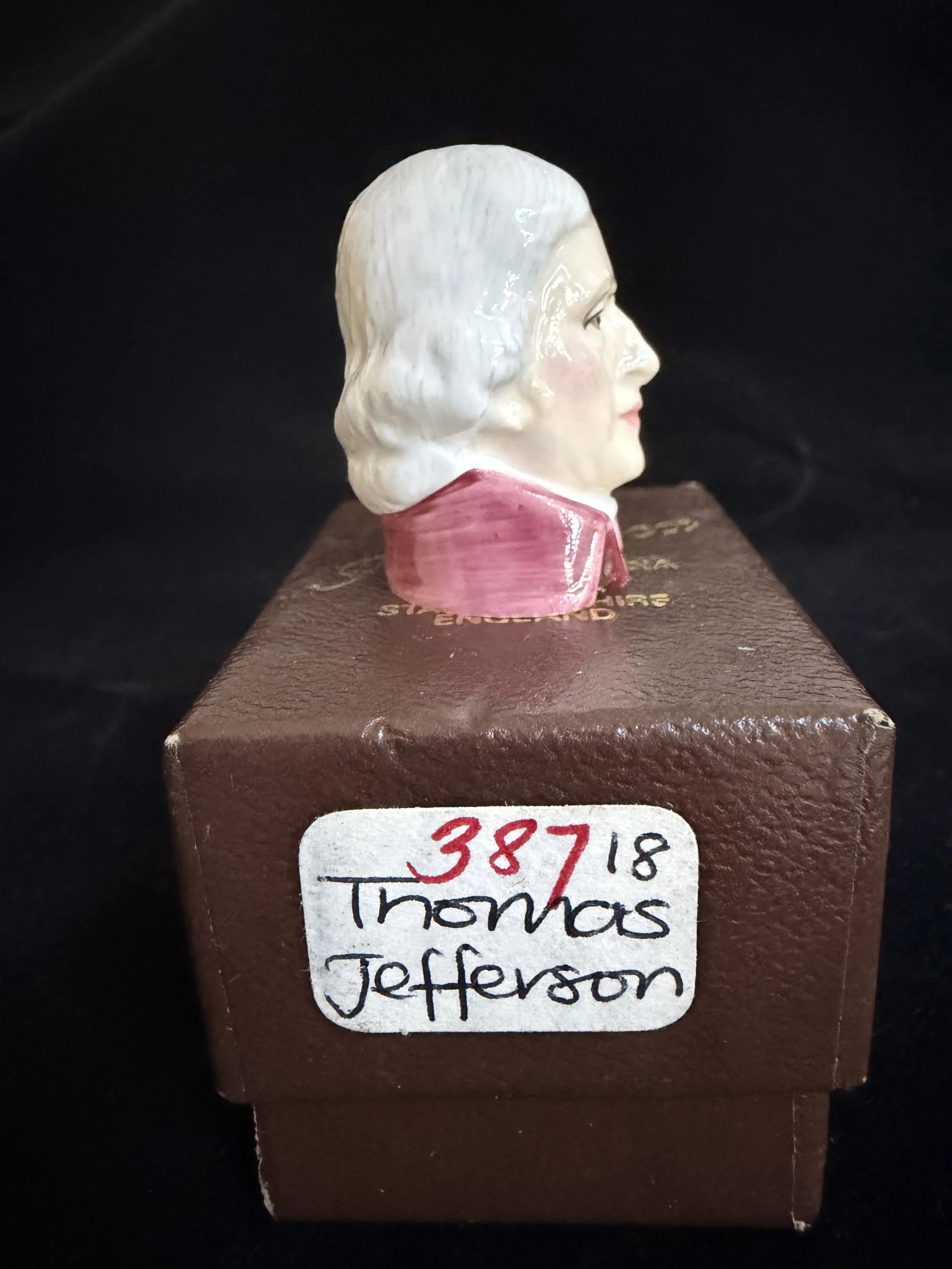
Figural and character porcelain thimbles represent one of the most collectible categories of vintage thimbles, valued for their artistry, historical references and limited production.
A Guide to Figural & Character Thimbles
Vintage porcelain thimbles are one of the most overlooked yet fascinating collectible categories. Originally functional sewing tools, thimbles evolved into miniature works of art, especially during the 20th century when porcelain makers began producing figural and character thimbles designed purely for collectors.
Today, these small but detailed objects attract collectors of porcelain, miniatures, sewing antiques, and literary memorabilia.
A Brief History of Thimbles
Thimbles date back over 2,000 years. Early examples were made from leather, bone, brass, and silver. By the 18th and 19th centuries, porcelain thimbles appeared in Europe, particularly in England and Germany.
The collecting boom occurred in the mid-to-late 20th century when porcelain studios recognized thimbles as a perfect canvas for:
Hand-painted decoration
Sculptural form
Storytelling through characters and themes
Many of these thimbles were never intended for sewing. They were produced as collectible miniatures from the start.
What Are Figural Porcelain Thimbles?
Figural porcelain thimbles are vintage thimbles shaped as heads, busts, or partial figures, often representing:
Literary characters
Historical figures
Mythological or theatrical subjects
Named personas
These thimbles function like tiny porcelain figurines, combining sculpture and fine painting in a palm-sized format.
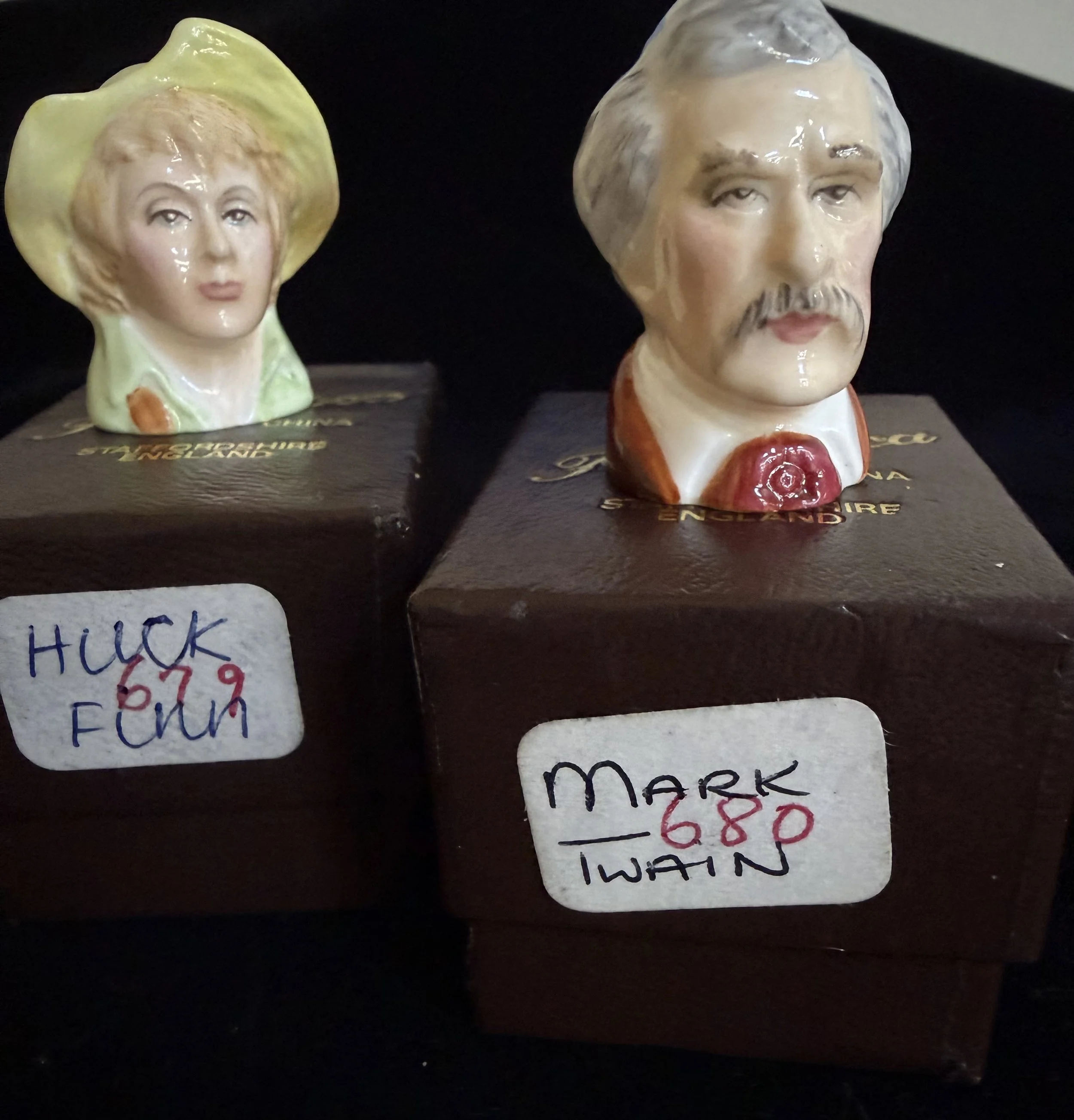
Why Figural Thimbles Are More Valuable
Greater artistic complexity
Character recognition increases demand
Appeal to multiple collector markets
Limited production runs compared to florals
What Collectors Look For in Vintage Thimbles
1. Subject Matter (Most Important)
Named or recognizable figures outperform generic designs.
High-demand themes include:
Authors and literary characters
Historical figures
Mythology and folklore
2. Condition
Collectors are condition-driven. Look for:
No chips (especially nose, chin, hairline)
No cracks or repairs
Clean facial paint and glazing
Even small flaws significantly affect value.
3. Maker & Quality
Well-made porcelain thimbles with crisp modeling and hand-painted detail consistently outperform mass-produced souvenir pieces.
4. Original Box & Label
Original boxes—especially those labeled with the character’s name—add:
Provenance
Display appeal
Higher resale value
Collectors strongly prefer boxed examples.
How Vintage Thimbles Are Collected Today
Modern collectors display porcelain thimbles:
In glass cabinets
On stepped shelves
In shadow boxes by theme
Popular collecting approaches include:
Literary figure collections
Historical character groupings
Figural thimbles only (no florals)
Maker-specific collections
Thimbles are often paired with other miniatures for curated displays.
Are Vintage Porcelain Thimbles a Good Investment?
Porcelain thimbles are not speculative investments, but well-chosen examples hold value and remain liquid in the secondary market.
The strongest performers share these traits:
Figural or character form
Named subject
Excellent condition
Original packaging
They are also easy to:
Store
Ship
Display
Making them attractive to both collectors and resellers.
Why Porcelain Thimbles Still Matter
Vintage porcelain thimbles prove that collectibles do not need to be large to be significant. At their best, they combine:
Decorative arts history
Fine craftsmanship
Cultural storytelling
All in an object small enough to fit in the palm of your hand.
For collectors of miniatures, porcelain, or historical figures, figural thimbles offer a rich and often under appreciated collecting field.